
What it helps with
- Phonological awarenessRhyming, hearing syllables and blending sounds to support reading readiness.
- Letter-sound knowledgeLearning letter names and sounds, and how they work together in words.
- Word decoding and spellingStrategies to sound out words, spot patterns and spell with more confidence.
- Reading comprehensionUnderstanding what they read, through vocabulary, storytelling and thinking skills.
- Written expressionBuilding sentences, organising ideas and growing confidence in writing.
- DyslexiaStructured, step-by-step support for children with dyslexia and other reading and spelling difficulties.
What you get
- Engaging, play-based activities that make reading and writing fun
- Therapists trained in the Sounds-Write and UFLI approaches to phonics
- Practical strategies for parents to encourage literacy at home
- Progress shared with you and your child’s teacher
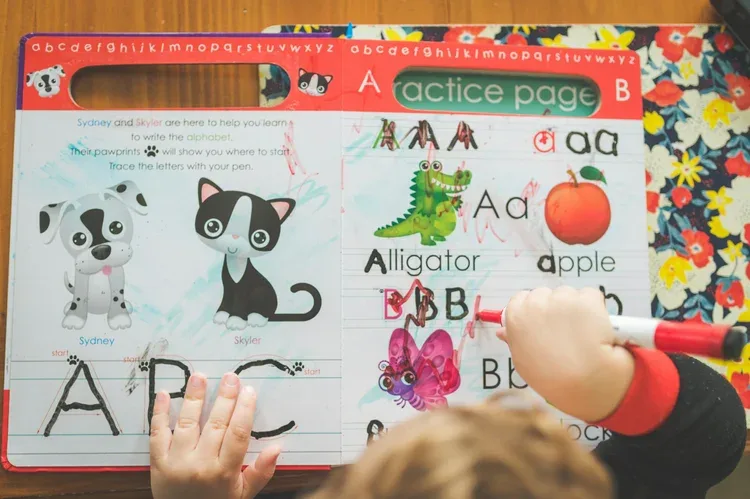
Who we see
We see children from Kindy to Year 12 who are finding reading or writing hard. That includes pre-literacy skills such as rhyming and counting syllables.
Signs your child may need support
- Reading that is slow or takes a lot of effort
- Frustration with reading or writing tasks
- Low marks on weekly spelling tests
- Finding it hard to link a letter with its sound
- Finding it hard to rhyme, clap syllables or hear the sounds in words
- Guessing words rather than sounding them out
The first session
We take a case history, then look at letter sounds, writing made-up words, and breaking words into their individual sounds.
Approaches we use
We use Talk for Writing, Sounds-Write and UFLI. Your therapist chooses the approach that fits your child's reading and writing.
Practice at home
We agree on home practice that fits your family. For some children that is 10 to 15 minutes a day with set words and sentences. For children who find sit-down practice hard, we use moments that are already in the day, such as reading signs.
How long it takes
How long it takes depends on how much support your child needs and how they respond to therapy. We plan from that, rather than a fixed number of sessions.
Could your child use extra literacy support?
Get in touch for a chat about your child and the best way to get started.